Myopia - What We Talked About, and What We Hope For

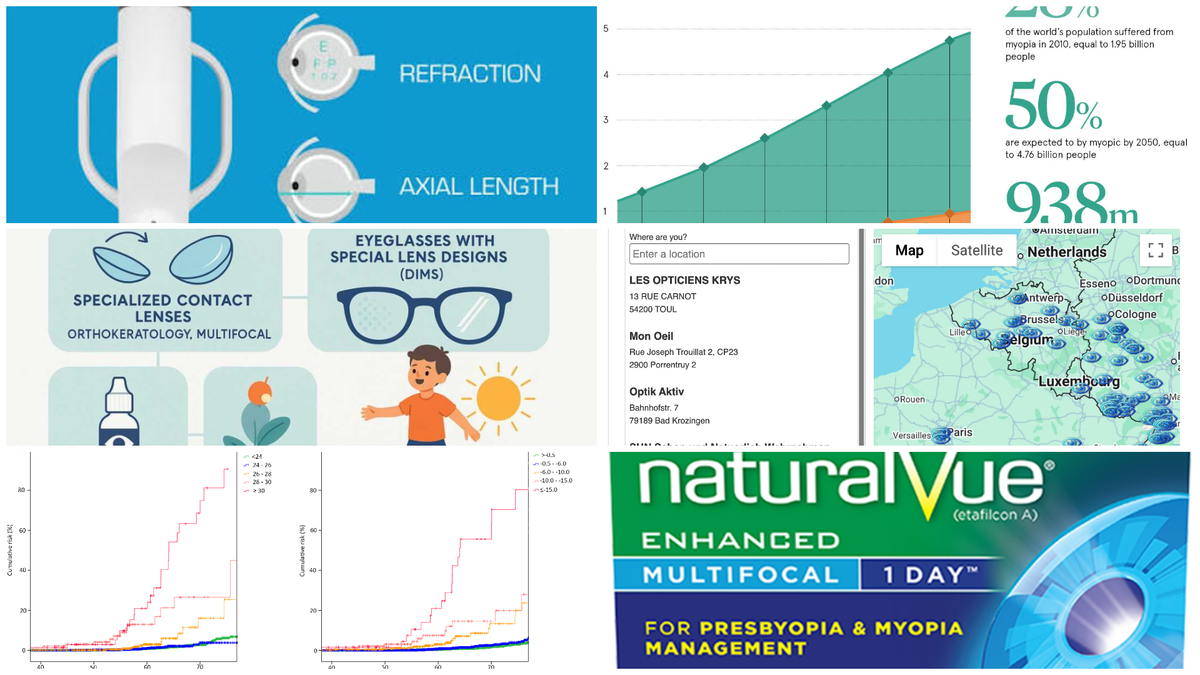
[!info] This is the eighth and final (for now) in a series of posts about the epidemic of myopia (nearsightedness), my personal experience with it, and what people are doing about it. The seventh part is *"Myopia - The Near Horizon"
a recap
Let's hit briefly the things discussed so far.
myopia is not harmless or just inconvenient
Myopia (nearsightedness) is not harmless, especially at high levels (generally beyond -6). It is a disease whose symptoms include all the things we're used to - requirement of corrective lenses, blurred vision. As well as some of the things we're not - increase collagen floaters, substantially increased risks of sight-threatening conditions like macular degeneration, glaucoma, and retinal detachments.
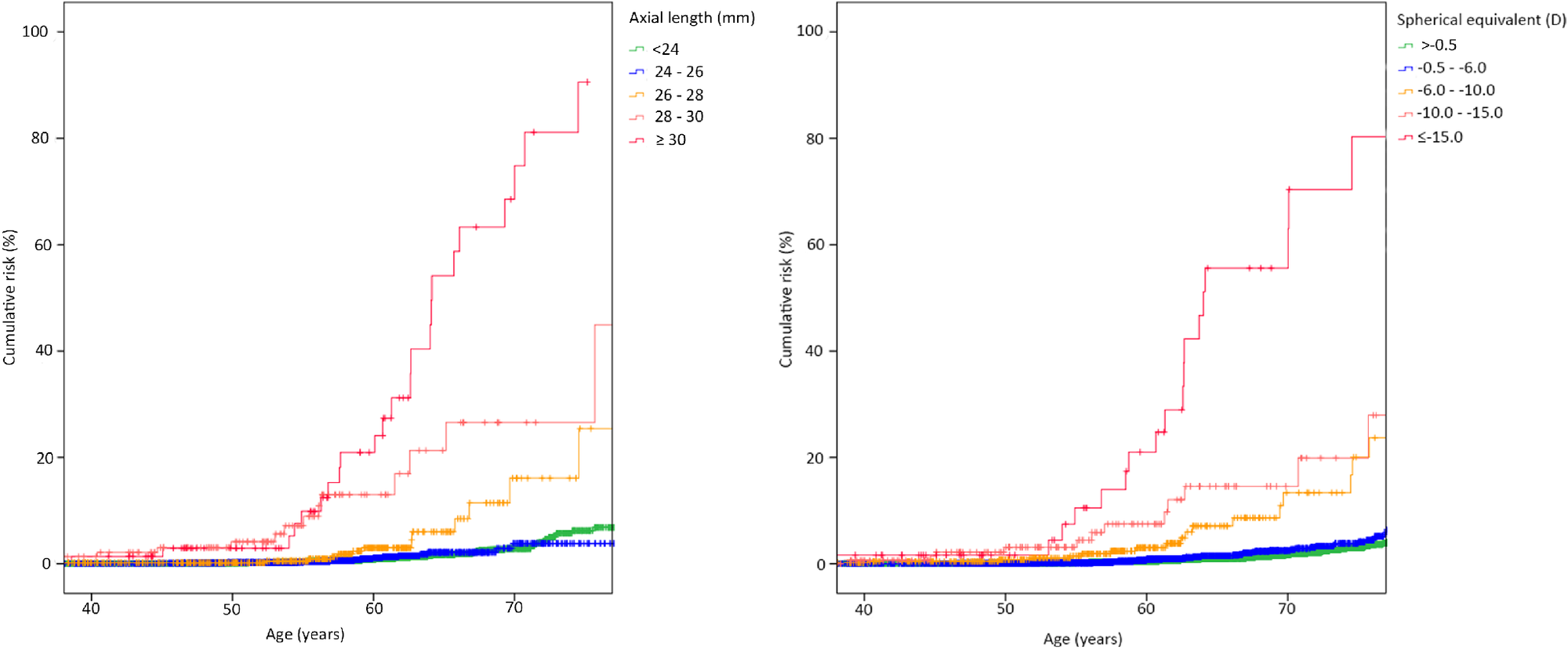
From this source, captioned as *Kaplan–Meier curve of the cumulative risk of visual impairment with increasing age per category of AL (left) and SER (right). Reproduced with permission from Tideman JL, Snabel MC, Tedja MS, et al. Association of axial length with risk of uncorrectable visual impairment for Europeans with myopia. JAMA Ophthalmol. 2016;134:1355–1363.
myopia is an epidemic
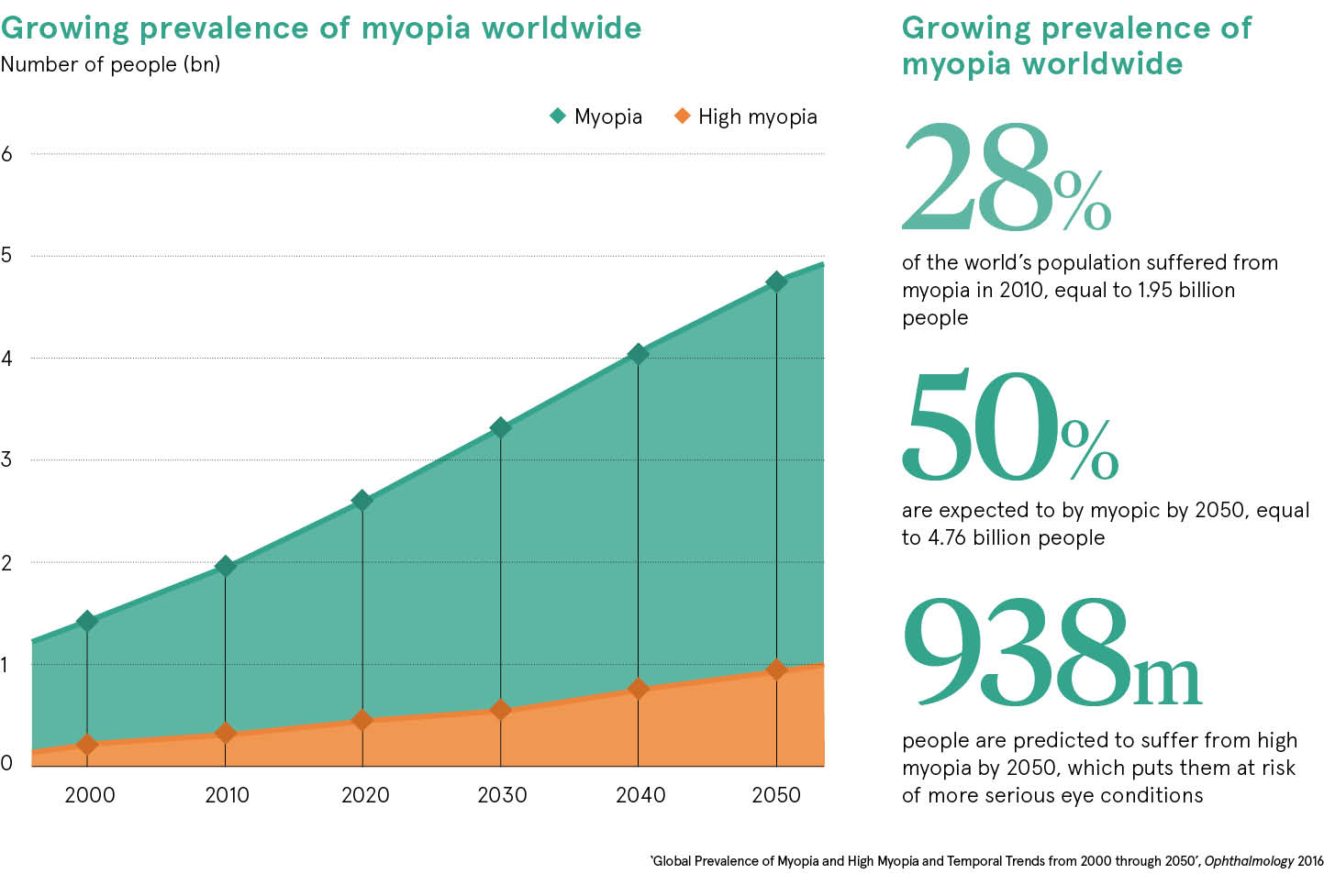
Rates of myopia are increasing in all populations. This is thought by some experts to be due to increased screentime, indoors time and close-up work. Many (if not most) optometrists and ophthalmologists are still behind on recognizing the problem.
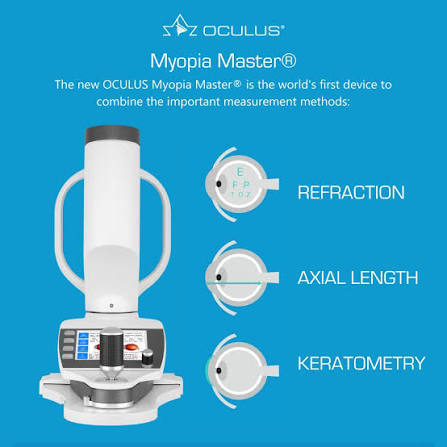
objective axial eye length measurements should be monitored, not just subjective refraction
Axial eye length measurements do have tiny variations or instrument error as with any precision measuring instrument. There is also slight variation between individual instruments of the same make and model, and between manufacturers. However, this is still considered a more reliable and less subjective way to monitor myopia progression than refraction. Refraction being the process where you sit in the chair with a phoropter, and the practitioner repeatedly gives you two choices of lens and asks which is better until you settle into a corrective lens prescription.
treatments
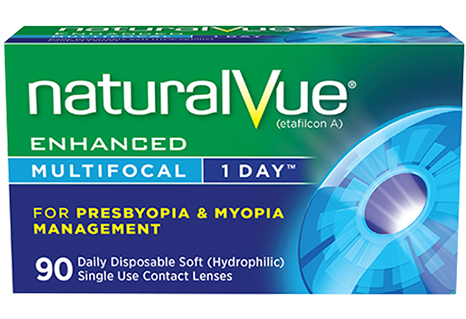
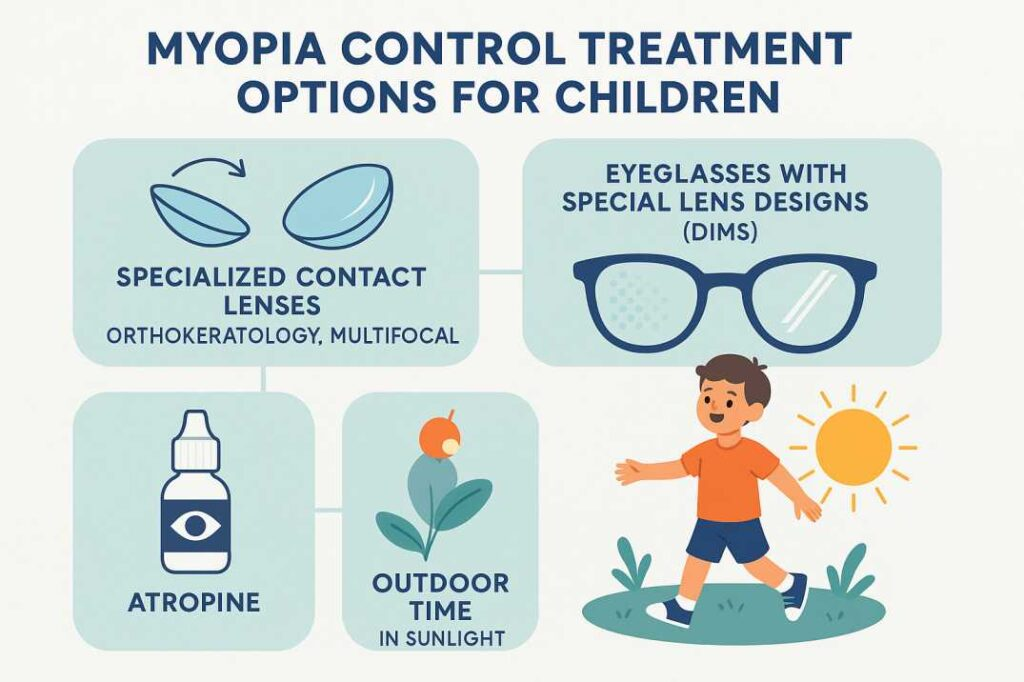
There are emerging treatments mostly aimed at prevention of progression in children. These include specialty contact lenses, special eyedrops, and specialty spectacle lenses. These treatments have not had clinical trials in adults, but some practitioners may be willing to try them as more practitioners recognize that eye elongation can continue in adults. There are emerging treatments including red light and scleral collagen cross linking that give additional hope for targeting other mechanisms of the disease.
for the kiddos
If you have a child wearing who goes to an optometrist complaining of blurry vision or trouble reading the blackboard, do not settle for a standard spectacle lens prescription. Seek out another provider who is versed in myopia management and willing to prescribe a treatment, monitor your child, and suggest lifestyle interventions such as increased outdoor time. There is some evidence that providers are even beginning to be able to preemptively detect myopia before it starts and before any kind of correction becomes necessary. The earlier preventative treatment is started, the more powerful its effects. It is worth noting that for children who are progressing very rapidly, or who already have very high myopia, there may be additional factors at play or other conditions which should also be addressed. Very high myopes are also not as often included in clinical trials, so data is more limited on effectiveness of various treatments. Very sophisticated providers may have more insight into which treatments are best to try.
for adults
There is little adult patient clinical data available for the treatments that have been used in children, so use in adults is considered off-label, but is legal. Axial elongation can continue in adults, especially highly myopic adults, so an attempt to treat it may be warranted. However the mechanisms of elongation may be different than those in children (more likely to be biomechanical).
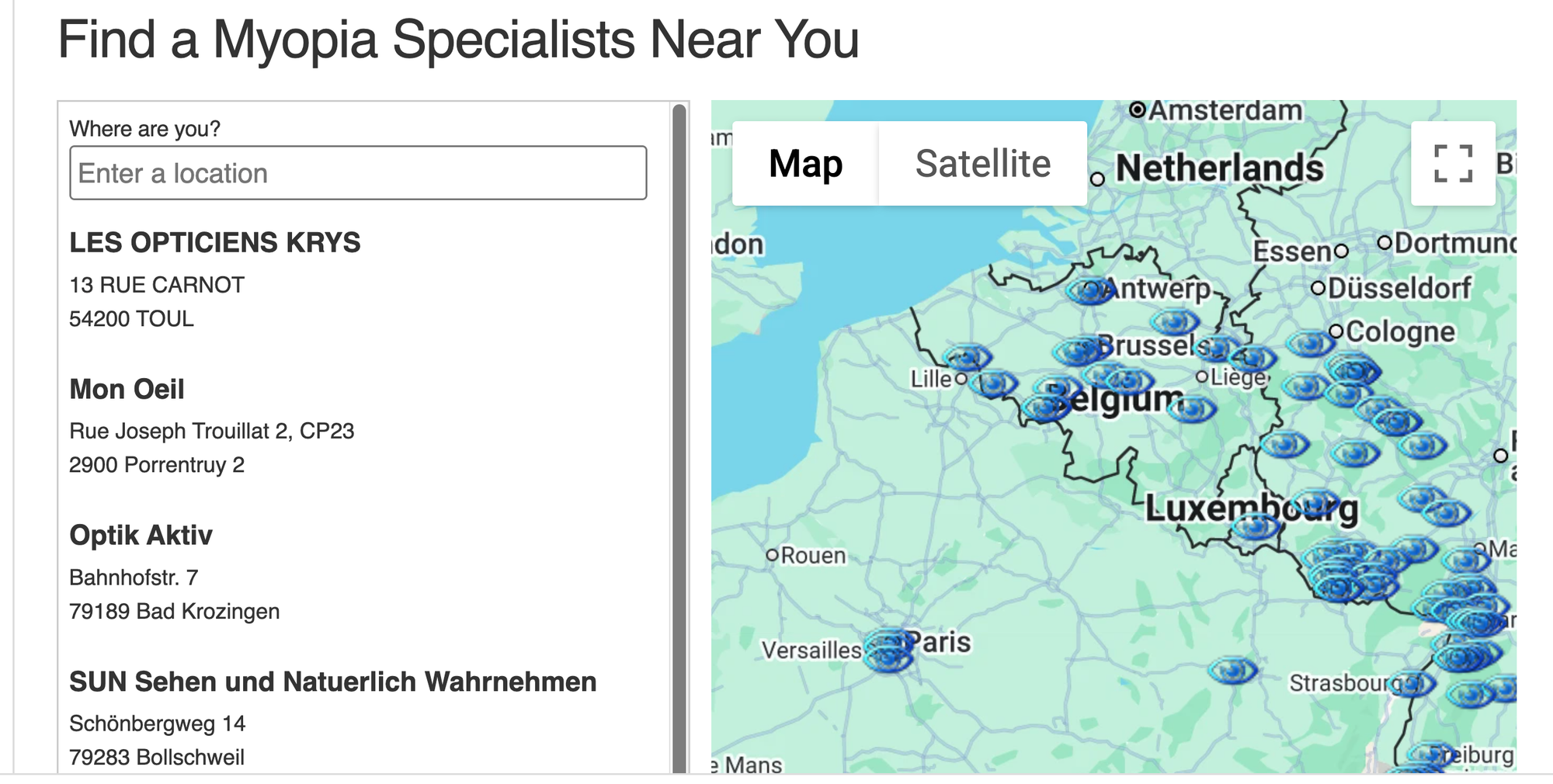
Resources to find practitioners can include:
- North America: https://aaomc.org/doctor-finder/
- Europe and US: https://www.myopia.care/specialist_finder
- North America: https://www.aoa.org/member-center/the-myopia-collective/change-agents
in Europe: https://www.eurok.eu/
questions that may help identify providers who can help
Questions that may be helpful to identify how seriously the provider takes treatment:
- Do you do myopia management for patients of all ages, both children and adults?
- What instrument do you use to monitor axial length (this should ideally be one of the instruments mentioned earlier: Haag-Strait Lenstar, Oculus Pentacam, Oculus Myopia Master, Zeiss IOLMaster)
- Do you have access to all currently available treatments?
- specialty contact lenses like MiSight and NaturalVue
- orthokeratology
- atropine
- spectacles
- (If in the USA or elsewhere where medical device approvals are slow) Are you able to work with Canadian providers to access the latest and most effective spectacle lens treatments?
a note for when help or treatments aren't yet available in your country
resources
One of the best overall resources, targeted at clinicians or people who want details is https://www.myopiaprofile.com/. The optometrists who run this site have a catalog of treatments available, including articles about them. Because the site is based in Australia, they often also have access to treatments and conferences being developed in Asia which may be ahead of the rest of the world, especially North America.
The counterpart to this site, which may be a better starting place for individuals or parents is https://www.mykidsvision.org/en-US/
A source for news in the US is https://reviewofmm.com/
An international group that periodically reviews, organizes and summarizes new research is the International Myopia Institute at https://myopiainstitute.org/
Article in The Atlantic Monthly about the epidemic: https://www.theatlantic.com/magazine/archive/2022/10/kids-glasses-vision-increased-nearsightedness-myopia/671244/
Video featuring researcher and lecturer Mark Bullimore for Vox Media: https://www.youtube.com/watch?v=LAkFtka3UFw
a sampling of university researchers and departments working on myopia
- Jeff Walline, University of Ohio
- Pete Kollbaum, Indiana University
- Debbie Jones and CORE at University of Waterloo
- Langis Michaud, Université de Montréal
- Lisa Ostrin, newly appointed to SUNY from University of Houston
- Yue (Maria) Liu and Christine Wildsoet among others at UC Berkeley
- Carly Lam, Hong Kong Polytechnic, and Mingguang He
- Kyoko Ohno-Matsui, Institute of Science Tokyo Hospital
- James Wolffsohn, Nicola Logan and others at Aston University UK
Thank you for investigating this with me, and for taking the time to apply this information to your own life or to the life of someone you care about. I will try to avoid saying something tritely optimistic like "together we can solve myopia". But I also won't say we're doomed. Thanks to efforts of diligent researchers and practitioners, there may be promising paths, and I look forward to the continuing developments here.